Achilles Tendonitis: Why Rest Alone May Not Be Enough
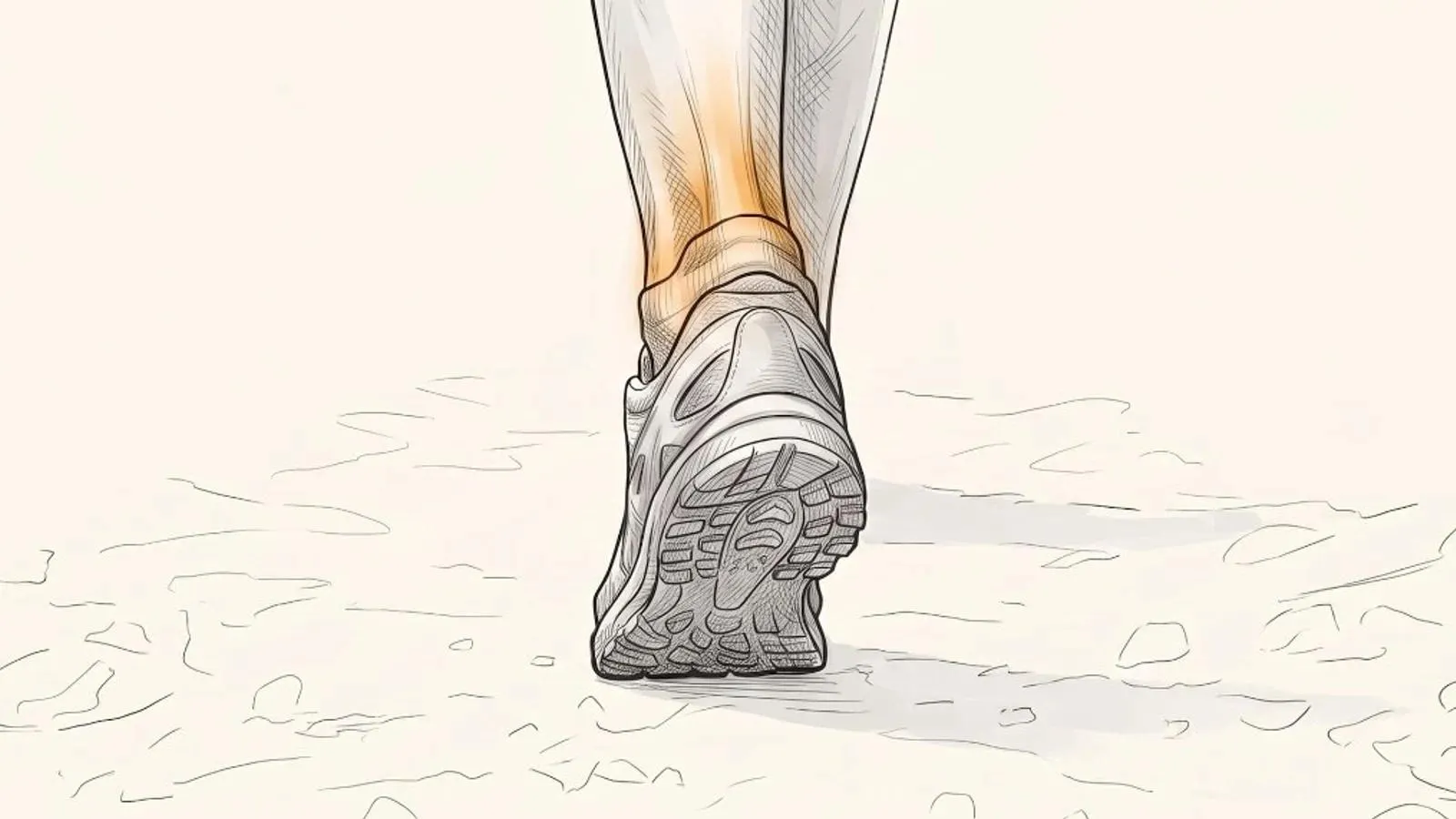
Does the back of your ankle feel stiff when you first get out of bed? Perhaps it eases as you move, only to ache again after a walk or the following morning.
Achilles tendon pain can affect runners, walkers and people who spend long days on their feet. Recovery usually involves finding the right balance between reducing irritation and rebuilding strength.
Tendonitis or Tendinopathy?
The Achilles tendon connects your calf muscles to your heel bone and helps you push off when walking, climbing stairs and running.
Although many people call the problem Achilles tendonitis, tendinopathy is often the more useful term for persistent tendon pain and reduced function. Inflammation may be involved, but it is not always the whole explanation.
Where Is the Pain?
There are two common patterns:
Mid-portion pain occurs above the heel attachment, through the main body of the tendon.
Insertional pain occurs where the tendon joins the heel bone.
The distinction matters. An exercise that suits one presentation may aggravate the other. In particular, deep heel drops off a step or strong calf stretching can irritate an insertional problem.
Why Does It Happen?
Symptoms may follow an increase in walking or running, more hills, a return to sport, or a change in footwear. Tendon capacity, calf strength and other health factors can also influence the problem.
The tendon may tolerate an activity at the time but react later. How it feels the following morning is useful information when reviewing your workload.
What Can You Do?
Temporarily reduce the activities that cause a clear flare-up. This may mean shorter walks, fewer hills or a break from running while keeping other comfortable activities in your routine.
Avoid pushing through a worsening limp or starting an aggressive stretching programme without knowing which part of the tendon is affected.
How We Approach Treatment
At Masterton Foot Clinic, we assess the location of your pain, calf function, footwear and the demands of your work and exercise.
Treatment usually centres on a progressive calf-strengthening programme and an achievable activity plan. Footwear changes, temporary heel lifts or orthoses may help selected patients. Shockwave Therapy may be considered for some persistent cases alongside rehabilitation.
We review progress against what you want to return to, rather than relying on pain relief alone. Recovery commonly takes months, and the pace varies from person to person.
When Is It Urgent?
A sudden pop, the feeling of being kicked in the calf, or new difficulty pushing off may indicate an Achilles rupture. Seek urgent medical assessment and stop exercising.
For ongoing Achilles pain, book online or call Masterton Foot Clinic on 06 370 4057. We can help you develop a plan to return to comfortable movement.