

Stress Fractures
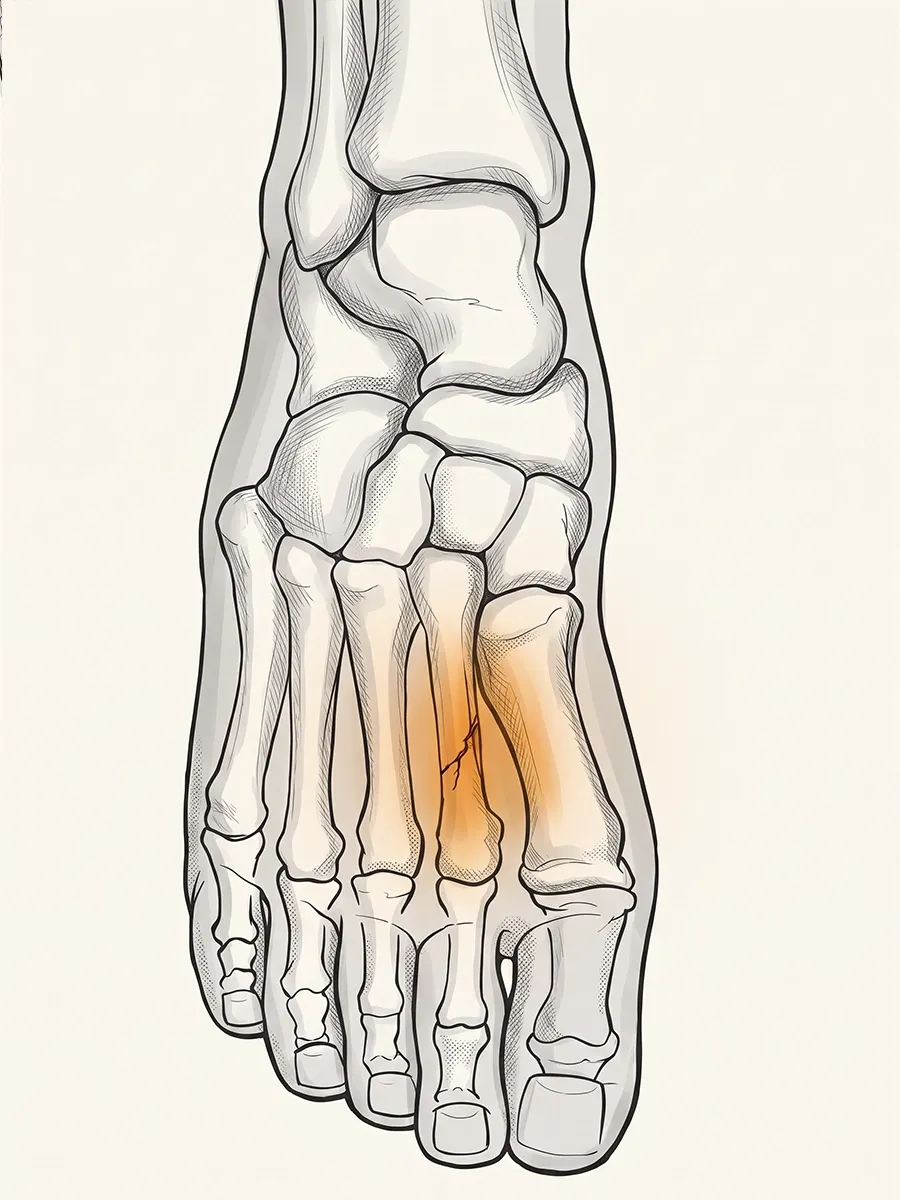
Stress fractures are one of the most important sporting injuries to identify early. They commonly affect runners, active individuals, and athletes, particularly following increases in training volume, intensity, or activity levels. At Masterton Foot Clinic, our role is to identify stress injuries early, determine why they have occurred, and guide a safe return to activity.
What is a stress fracture?
A stress fracture is a bone stress injury caused by repetitive loading that exceeds the bone's ability to adapt and recover.
Stress injuries exist on a continuum. They often begin as a stress reaction before potentially progressing to a stress fracture if loading continues. In the foot and ankle, common locations include:
- metatarsals,
- navicular,
- calcaneus (heel bone),
- and fibula.
Some stress fractures are considered higher risk than others and may require more urgent investigation and management.
Symptoms
Common symptoms include:
- Localised pain over a specific bone
- Pain that worsens with walking, running, or sport
- Symptoms that initially settle with rest
- Swelling around the affected area
- Tenderness when pressing on the bone
- Reduced sporting performance
- Pain that gradually becomes more persistent
Unlike many soft tissue injuries, stress fractures often produce very specific, localised pain.
Causes
Stress fractures occur when loading exceeds the bone's ability to recover and adapt. Common contributing factors include:
- Sudden increases in training volume
- Increased training intensity
- Changes in terrain or activity
- Inadequate recovery between sessions
- Low energy availability (RED-S)
- Reduced bone health or bone density
- Footwear changes
- Foot and lower limb biomechanics
Because your feet form the foundation of movement, the way they function can influence how load is distributed through the bones of the foot and lower limb.
When to see a podiatrist
We recommend an assessment if you have:
- localised bone pain,
- pain that worsens with running or sport,
- pain that returns every time you become active,
- swelling over a specific area,
- symptoms following a recent increase in training or activity,
- or persistent pain despite rest.
Early assessment is important because some stress fractures can worsen significantly if loading continues.
How we treat stress fractures
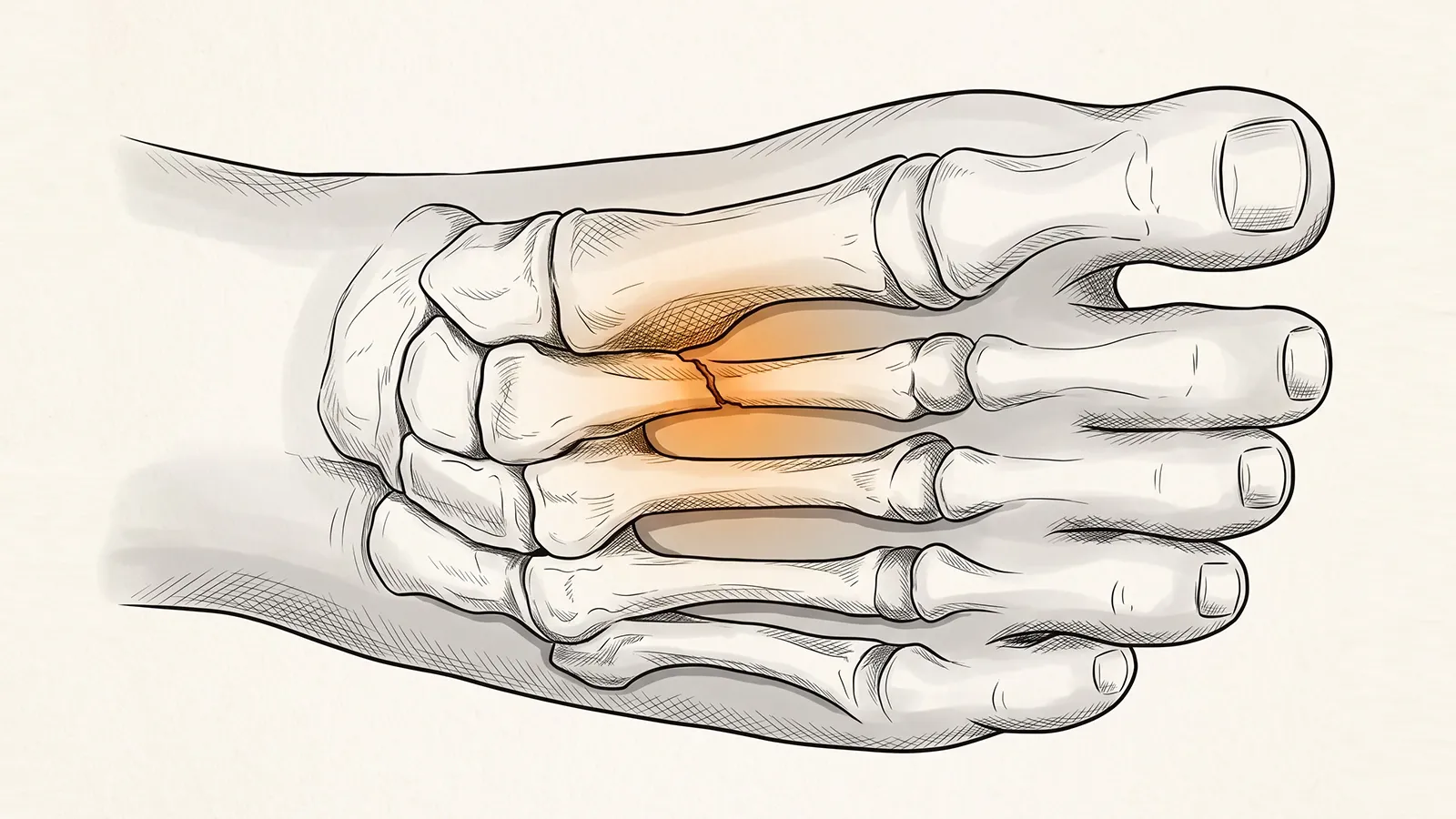
At Masterton Foot Clinic, we regularly assess and manage stress injuries affecting the foot and lower limb. Our Proven Process combines current evidence with extensive clinical experience to:
- identify whether a bone stress injury is present,
- determine whether imaging is required,
- identify the factors contributing to excessive bone loading,
- and develop a safe and progressive return-to-activity plan.
Depending on your presentation, management may include:
- load management strategies,
- activity modification,
- protected weight-bearing where required,
- footwear advice,
- strength and rehabilitation programs,
- orthotic therapy where appropriate,
- return-to-sport planning,
- and referral for imaging when indicated.
Our goal is to help your injury heal while reducing the risk of recurrence.
Book with our podiatrists
Choose the clinician you would like to see, or call us and we will match you with the right person.
Adam Philps
CEO & Senior Podiatrist
Minor Surgery · Foot & Lower Limb Orthotics · Neuromuscular Conditions


Not sure who to see? Call us on 06 370 4057 and we will point you in the right direction.
Treatments available
Biomechanical Assessment
A standard part of every appointment. Our comprehensive assessment is key in diagnosing your problem and identifying all the contributing factors.
Learn moreOrthotics & Bracing
A full range of custom and off-the-shelf orthotic bracing solutions to support your mobility, reduce pain, and promote healing.
Learn moreFrequently asked questions
How long does a stress fracture take to heal?
Can I still exercise?
Do I need a boot or cast?
Will I be able to return to running or sport?
Ready to recover properly?
Book online for the next available appointment, or call us to discuss your needs.
- ACC registered
- Southern Cross Easy-Claim available
- Afterpay available
- WINZ quotes