

Ball of Foot Pain: Why It Arrives with Spring and What to Do About It
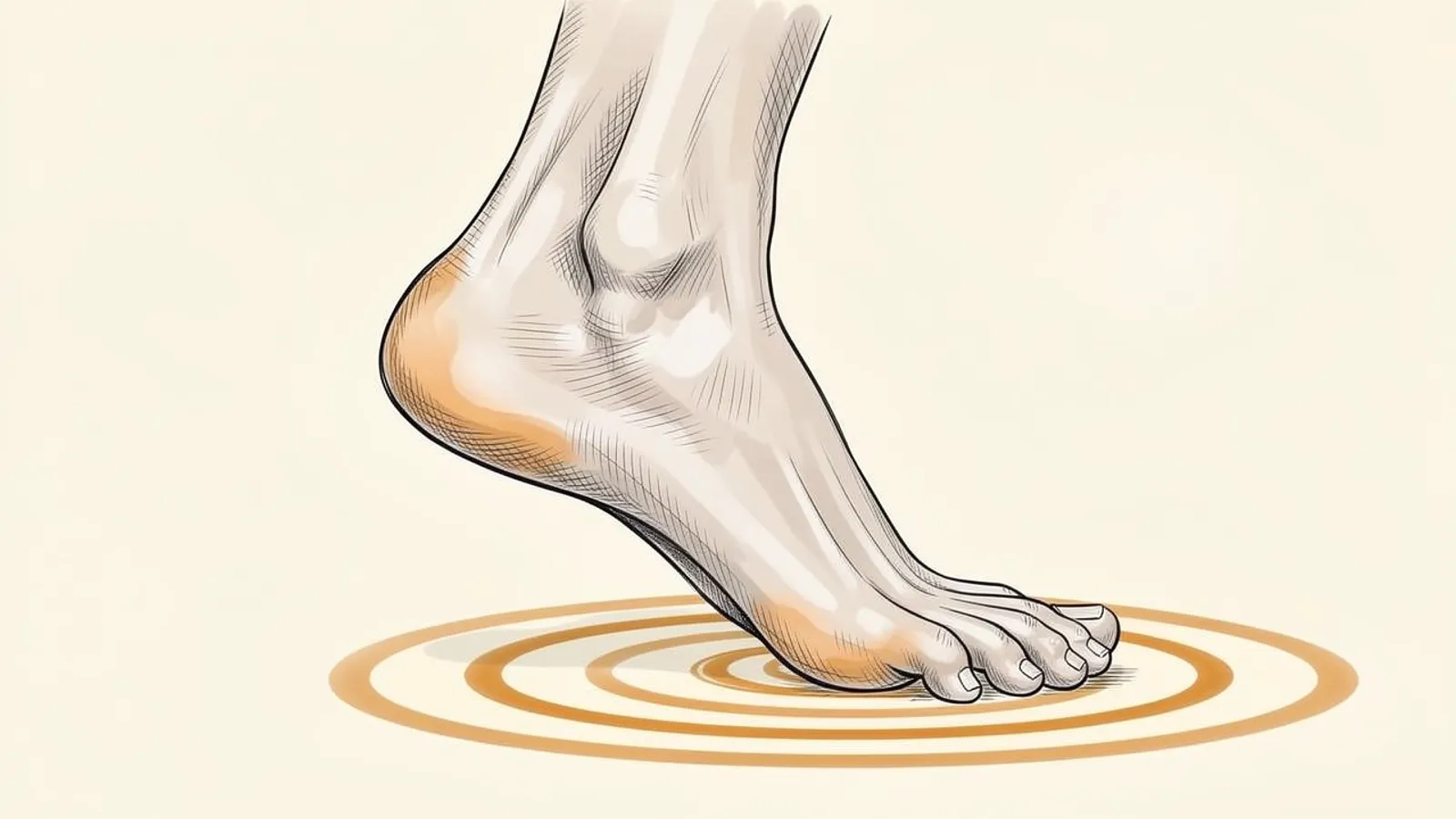
Every spring the same story walks through our door. The days stretch out, the netball and touch seasons get going, the Wairarapa walking tracks dry out, and feet that spent winter in slippers are suddenly asked to do a great deal more. A couple of weeks later there is an ache under the ball of the foot that refuses to settle.
What ball of foot pain feels like
Podiatrists call it metatarsalgia, and it sits under the pad of the foot just behind the toes. For some people it is a deep bruised feeling that arrives after a long walk. For others it is sharper, a burning or tingling that runs forward into the toes.
The description we hear most often in clinic is that it feels like a small stone has worked its way into the shoe, except that when you stop to check, there is nothing there. If that sounds familiar, this article is for you.
Why spring brings it on
Over winter most of us simply move less, and the structures that cushion the forefoot lose a little of their conditioning. Then spring arrives and activity jumps almost overnight. Each time you push off the ground, the ball of your foot briefly carries a load well beyond your body weight, and it does that with every step of every walk, run and game.
A body that has had a quiet winter is rarely ready for that jump. The forefoot is often the first place it complains.
What is actually going on
Metatarsalgia is a description rather than a diagnosis, and underneath it sit several different problems that feel similar but are treated quite differently. It can be a straightforward overload of the small joints under the metatarsal heads. It can be an irritated and thickened nerve between the toes, known as a Morton's neuroma. It can be a strain of the plantar plate, the small ligament that holds each toe in line, which often shows up as pain under one joint and a toe that slowly starts to lift or drift.
Working out which of these you have is the whole job, because the right treatment for one can aggravate another. You can read more about the condition itself on our metatarsalgia page.
What you can do at home
If it has only just started, there is a fair amount you can do yourself.
- Choose shoes with a cushioned sole and room across the forefoot, and save thin flat shoes for short outings.
- Build your walking or running back up in steps rather than returning to your full programme in the first week.
- If a big walk or a training session stirs it up, give it a day to settle before you repeat it.
- A simple gel pad from the chemist can take pressure off the sore spot while things calm down.
When to have it looked at
Pain that has hung around for more than two or three weeks, pain that is changing the way you walk, pins and needles in the toes, or one toe that is starting to look different from its neighbours are all good reasons to book an assessment rather than push on.
When you come in, we look at how you stand and move, find the structure that is actually complaining, and build a plan around it. Sometimes that is footwear advice and a graded return to activity. Sometimes it involves padding, strapping or custom foot orthoses that spread the load more evenly across the forefoot.
If the pain began with a sports injury, ACC may cover part of your care, and we can sort the paperwork with you at your appointment.
Spring in the Wairarapa is too good to limp through. If the ball of your foot has been complaining since the season changed, come in and let us take a proper look.