

Burning Heel Pain?
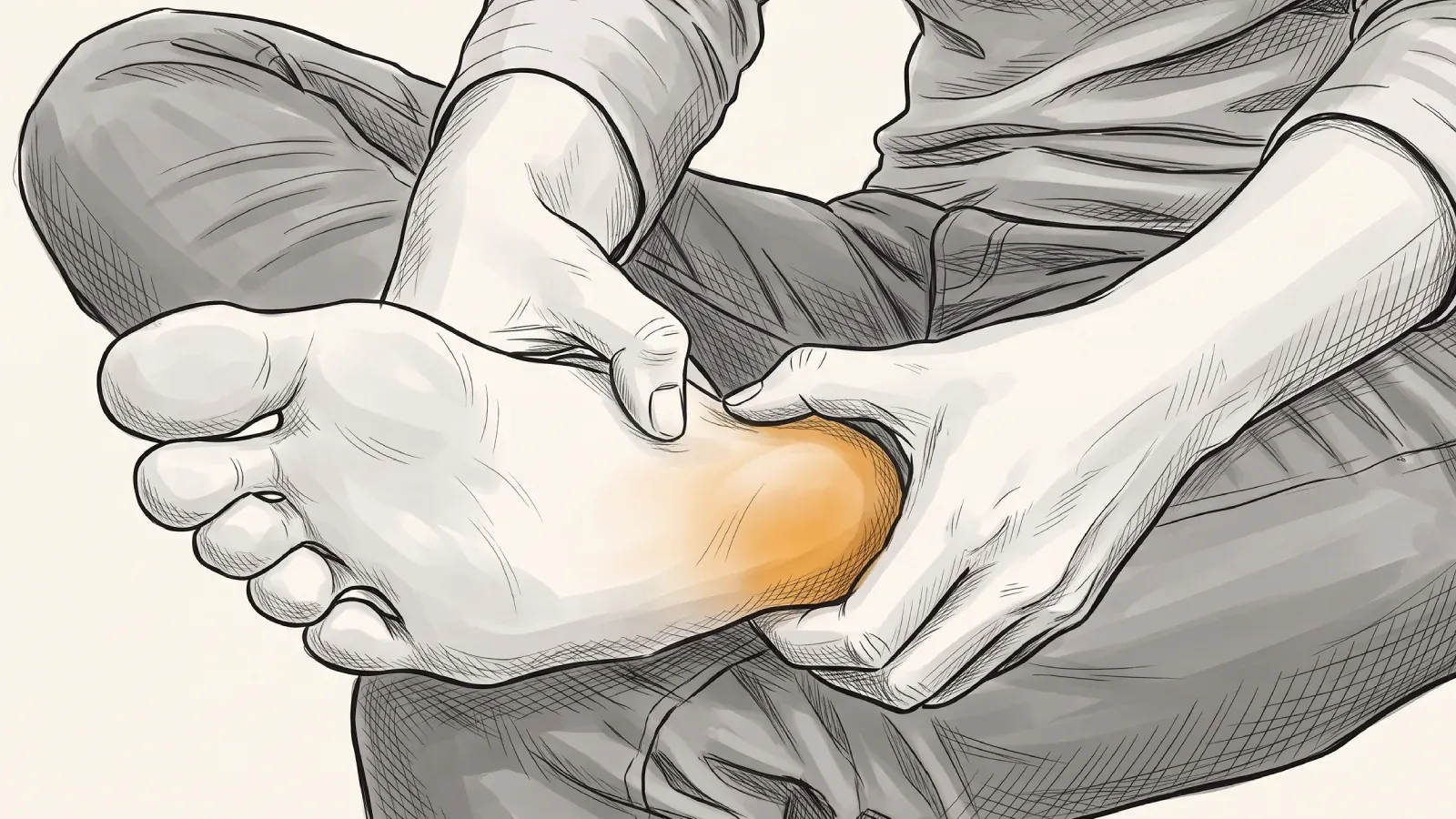
Experiencing burning heel pain can be extremely uncomfortable and frustrating, with many patients unsure what could be producing the sensation. Burning heel pain isn’t a condition on its own, but a symptom that can have several different causes.
Importantly, burning, tingling, pins and needles or numbness often suggest that a nerve may be involved. Here are some of the potential causes of a burning sensation in your heel, which may or may not radiate into the foot or ankle.
Nerve Entrapment
One of the first things we consider with burning heel pain is whether a nerve is being irritated or compressed. Nerve-related pain may feel burning, electric, shooting or tingling and may also be accompanied by numbness or altered sensation.
Several nerves around the ankle and heel can produce these symptoms:
- Tibial nerve and tarsal tunnel syndrome: The tibial nerve passes behind the inside of the ankle through an area known as the tarsal tunnel before dividing into branches that supply the foot. Compression here can produce burning, tingling or numbness around the heel and sole of the foot. Symptoms may worsen with prolonged standing, walking or activity.
- Baxter’s nerve (inferior calcaneal nerve): This small nerve supplies part of the heel and can become entrapped, producing pain around the inner and underside of the heel. Baxter’s nerve entrapment can sometimes be mistaken for plantar fasciitis because the location of the pain can be very similar.
- Medial and lateral plantar nerves: These branches of the tibial nerve can also become irritated or compressed and cause burning, tingling or pain through different areas of the sole of the foot.
- Sural nerve: The sural nerve supplies sensation around the outside of the ankle and foot. Irritation or injury can cause burning, tingling or altered sensation along the outer heel and foot.
Sometimes the source of nerve pain isn’t actually in the heel. Nerve irritation originating further up the leg or from the lower back can also produce burning or altered sensation in the heel and foot, so our assessment isn’t necessarily limited to the area where you feel the symptoms.
Diabetic Neuropathy
Diabetes is another important cause of nerve-related burning in the feet.
Persistently elevated blood glucose can contribute to nerve and small blood vessel damage over time, resulting in diabetic peripheral neuropathy. Symptoms commonly begin in the toes and feet and may include burning, tingling, numbness, pins and needles, shooting pains or unusual sensitivity.
Some people describe the feeling of wearing a sock when they aren’t wearing one, while others may gradually lose sensation without experiencing much pain at all.
Burning heel pain on its own isn’t necessarily diabetic neuropathy, particularly if it affects only one small area. However, if you have diabetes and notice new burning, tingling or numbness in your feet, it’s worth having this assessed.
Other conditions can also cause peripheral neuropathy, including excessive alcohol use, vitamin deficiencies, some medications and other medical conditions, so unexplained or widespread burning sensations sometimes require further medical investigation.
Trauma To The Foot Or Ankle
Trauma can also irritate or damage a nerve supplying the heel.
This may occur following an ankle sprain, fracture, fall, sporting injury, surgery or other injury. A nerve may be directly injured, stretched or compressed, or swelling following an injury may reduce the space available for a nerve to pass through.
Sometimes even prolonged external pressure – such as tight footwear, a brace or a cast – can irritate a superficial nerve.
Rarely, an injury may be followed by Complex Regional Pain Syndrome (CRPS). This is a persistent pain condition in which symptoms are disproportionate to the original injury and may include severe burning pain, extreme sensitivity, swelling, and changes in skin temperature or colour. Early recognition and appropriate management are important.
Plantar Fasciitis & Heel Spurs
Plantar fasciitis – more accurately, often described as plantar fasciopathy – typically causes aching, sharp or stabbing heel pain rather than true burning pain. The classic presentation is pain underneath the heel that is particularly noticeable with the first few steps after getting out of bed or after sitting for a period.
Some people describe their heel pain as burning, so plantar fascia pain shouldn’t be ruled out automatically. However, if burning is a prominent feature – particularly alongside tingling, numbness, or shooting pain – we would also carefully look for nerve involvement rather than assuming the plantar fascia is responsible.
Heel spurs are also frequently misunderstood. A heel spur is a bony growth at the heel that is commonly seen on X-rays, even in many people with no heel pain at all. It is generally considered a response to long-term loading rather than the primary cause of plantar heel pain.
For this reason, finding a heel spur on an X-ray doesn’t necessarily explain your symptoms, and treatment usually focuses on identifying and managing the underlying tissue or mechanical problem that’s actually producing the pain rather than treating the spur itself.
What Can I Do For Burning Heel Pain?
Because burning heel pain is a symptom rather than a diagnosis, treatment starts by working out where the sensation is coming from.
At Masterton Foot Clinic, this may involve assessing your sensation and nerve function, the location and behaviour of your symptoms, foot and ankle movement, muscle strength, footwear, and how your foot and lower limb function when you walk. Depending on the findings, further investigation, such as ultrasound, X-ray, or other medical imaging, may be appropriate.
Treatment then depends on the cause. This might include changes to pressure or loading around an irritated nerve, footwear changes, foot orthoses, exercises or rehabilitation, treatment of an underlying musculoskeletal problem, or referral for further medical investigation when appropriate.
The important thing is not to simply treat all burning heel pain as plantar fasciitis. Burning pain can be an important clue that a nerve is involved, and identifying the correct source of the symptoms gives us the best opportunity to treat it effectively.
If you’re experiencing persistent burning heel pain, numbness, tingling or altered sensation in your feet, our podiatry team at Masterton Foot Clinic can assess the problem and help determine the most appropriate next step.