

Causes Of Toenail Pain
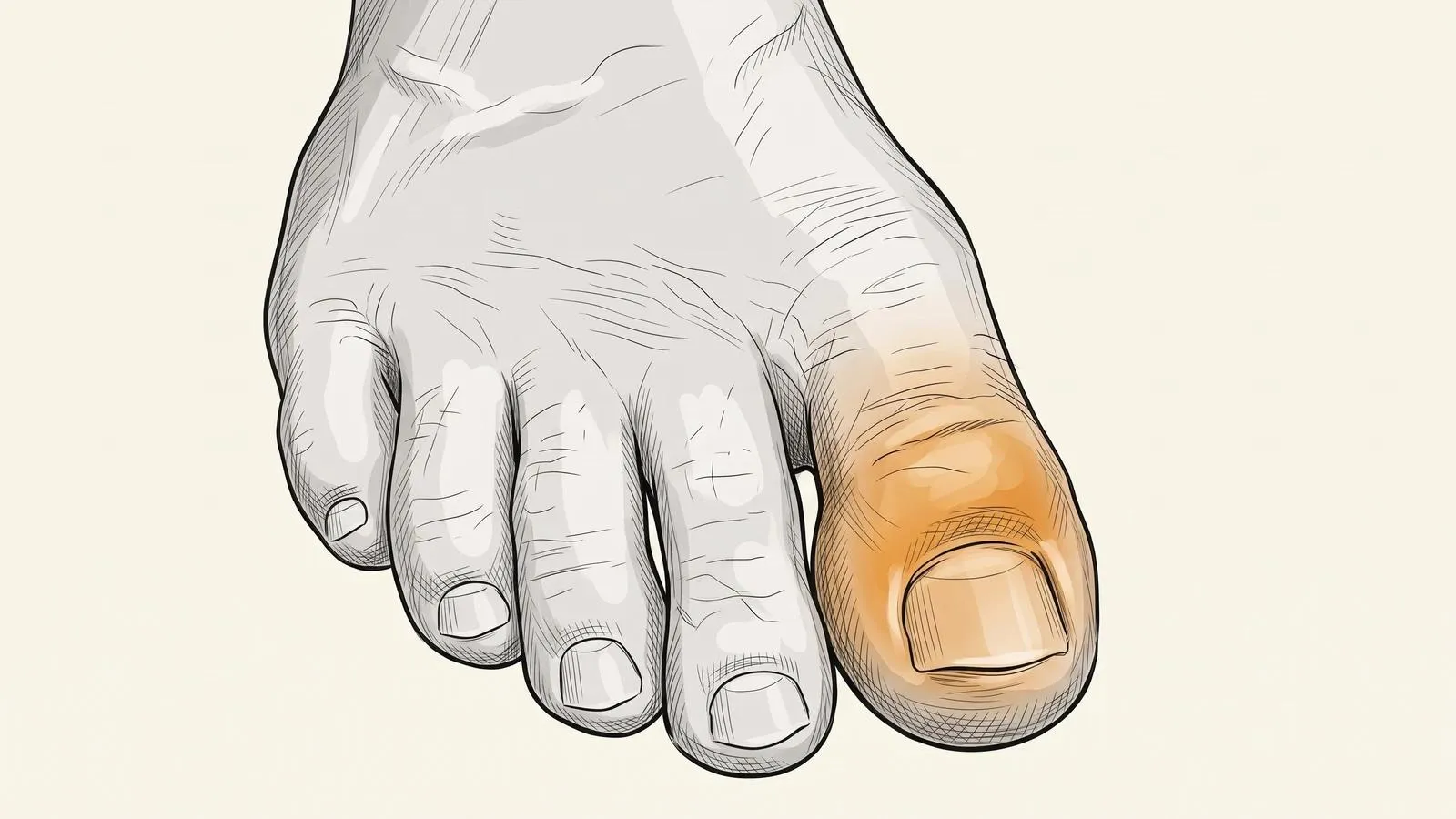
Toenails, it’s amazing how something so small can cause so much pain at times. While some causes of toenail pain may be minor and can be managed at home, others need professional treatment to stop them worsening and interfering with everyday life.
As with everything we do at Masterton Foot Clinic, it’s important to identify the cause of the pain rather than simply treating the symptoms. Here are four of the most common causes of painful toenails that our podiatrists see and treat.
Toenail Trauma
Toenail trauma describes damage or injury to the toenail and can occur for many reasons, from dropping something heavy on the foot or stubbing a toe to repetitive pressure from footwear. Running, tramping, and other activities in which the toes repeatedly contact the end of the shoe can also cause nail trauma.
Symptoms may include a reddish-black area beneath the nail (called a subungual haematoma), pressure or throbbing beneath the nail, tenderness, or separation of the nail from the skin underneath.
Minor bruising will often grow out with the nail over time. However, if a significant amount of blood collects beneath the nail and causes considerable throbbing or pressure, it is worth having it assessed promptly. In some cases, releasing the pressure beneath the nail can provide significant relief. More substantial injuries may also be associated with damage to the nail bed or a fracture of the toe.
If you notice a new dark or pigmented area beneath a nail without an obvious injury, particularly if it doesn't move forward as the nail grows, changes in appearance, or pigment extends onto the surrounding skin, have it assessed. While trauma is a very common cause of dark toenails, occasionally pigmentation beneath a nail can have a more serious cause, including melanoma.
Fungal Nail Infection
Fungal infections can affect both the toenails (onychomycosis) and the skin of the feet (tinea pedis or Athlete’s foot).
A fungal nail may become yellow or white, thickened, brittle, crumbly or distorted. The infection itself isn't always painful, but a thickened nail can create significant pressure inside footwear or against the skin surrounding the nail.
Importantly, not every thick, yellow or damaged nail is fungal. Trauma, psoriasis and other nail conditions can look very similar, so establishing the correct diagnosis is important before committing to treatment.
At Masterton Foot Clinic, we have been using the Lunula low-level laser for fungal nail treatment since 2016. It is a non-invasive and pain-free treatment option that doesn't rely on oral antifungal medication. As with all fungal nail treatments, results vary and healthy nail must gradually grow forward, so improvement takes time.
Depending on the individual, treatment may also involve reducing the thickness of the affected nail, topical antifungal treatment, treating any fungal infection of the surrounding skin, footwear and hygiene advice, or discussing prescription antifungal medication with your doctor where appropriate.
Ingrown Toenail
An ingrown toenail occurs when the edge or a sharp piece of nail penetrates or irritates the surrounding skin. Picking or tearing the nails, cutting down into the corners and pressure from footwear can all contribute, although nail shape, trauma and other individual factors may also play a role.
Ingrown toenails can be surprisingly painful. The surrounding skin may become red, swollen and tender, and an infection can develop if the nail continues to penetrate the skin.
The good news is that ingrown toenails can be treated very effectively. At Masterton Foot Clinic, treatment may include:
- Conservative care where we carefully remove the troublesome nail edge or spicule that is irritating the skin. This can provide rapid relief while preserving as much of the nail as possible. For a first-time or mild ingrown nail, this may be all that is required. If the problem repeatedly returns, however, a more permanent solution may be appropriate.
- Surgical correction, where a minor procedure is performed under local anaesthetic to remove the problematic section of nail. A chemical can then be applied to the nail matrix to significantly reduce the likelihood that that particular edge will grow back. This is performed in the clinic under local anaesthetic, and most people are able to walk out afterwards.
Paronychia
Paronychia is inflammation or infection of the skin surrounding the nail. In the toes, it is commonly associated with an ingrown nail, trauma or disruption of the skin around the nail.
Symptoms can include redness, swelling, warmth, tenderness and sometimes pus or discharge. Keeping the area clean and using warm-water soaks may provide temporary comfort in mild cases, but if an ingrown nail is driving the infection, the nail edge itself often needs to be addressed.
Increasing redness, swelling, or pain, particularly redness spreading beyond the toe, may indicate a more significant infection, such as cellulitis, and requires prompt medical assessment. Fever, chills or feeling generally unwell are also reasons to seek medical care promptly.
If you suspect you have paronychia, particularly if you have diabetes, poor circulation, reduced sensation, or a weakened immune system, it is best to have the toe assessed rather than attempt to manage the infection yourself.
Home Care Tips For Painful Toenails
If you're experiencing a painful toenail, some simple measures can help while you arrange assessment or while a minor injury settles:
- Warm Water Soaks: A short warm-water soak can provide temporary comfort when the skin around a nail is irritated or inflamed. Dry the foot and between the toes thoroughly afterwards. There's generally no need to add Epsom salts.
- Proper Nail Trimming: Trim your toenails approximately straight across, avoiding deep cuts along the sides or sharp corners. Don't cut nails excessively short.
- Comfortable Footwear: Choose footwear with enough length, width and depth around the toes so the nail isn't repeatedly being compressed. A shoe that laces or straps securely to the foot can also help prevent the foot sliding forward and the toes repeatedly hitting the end of the shoe.
- Moisturise: Moisturising the skin around the feet and nails can help prevent dry, cracked skin. Avoid leaving moisturiser between the toes, where excessive moisture can encourage fungal infection.
- Over-the-Counter Pain Relief: Simple pain relief or non-steroidal anti-inflammatory medicines (NSAIDs) may provide short-term relief for some people. These aren't suitable for everyone, so check with your pharmacist or healthcare professional if you're unsure.
- Protect Your Toes: If a toenail is partially detached following an injury, don't forcibly pull it off. Keep the area clean and protect it with an appropriate dressing until it can be assessed or the damaged nail grows out.
- Avoid Self-Treatment: Avoid digging down the sides of a painful nail, forcefully removing an ingrown nail or attempting to drain or operate on the toe yourself. This can create further injury and increase the risk of infection.
If your toenail pain is persistent, worsening or repeatedly returning, the important thing is to establish why. At Masterton Foot Clinic, we can assess the nail, relieve the immediate problem and, where possible, help prevent it from recurring.