Corns and Calluses: Why They Keep Coming Back
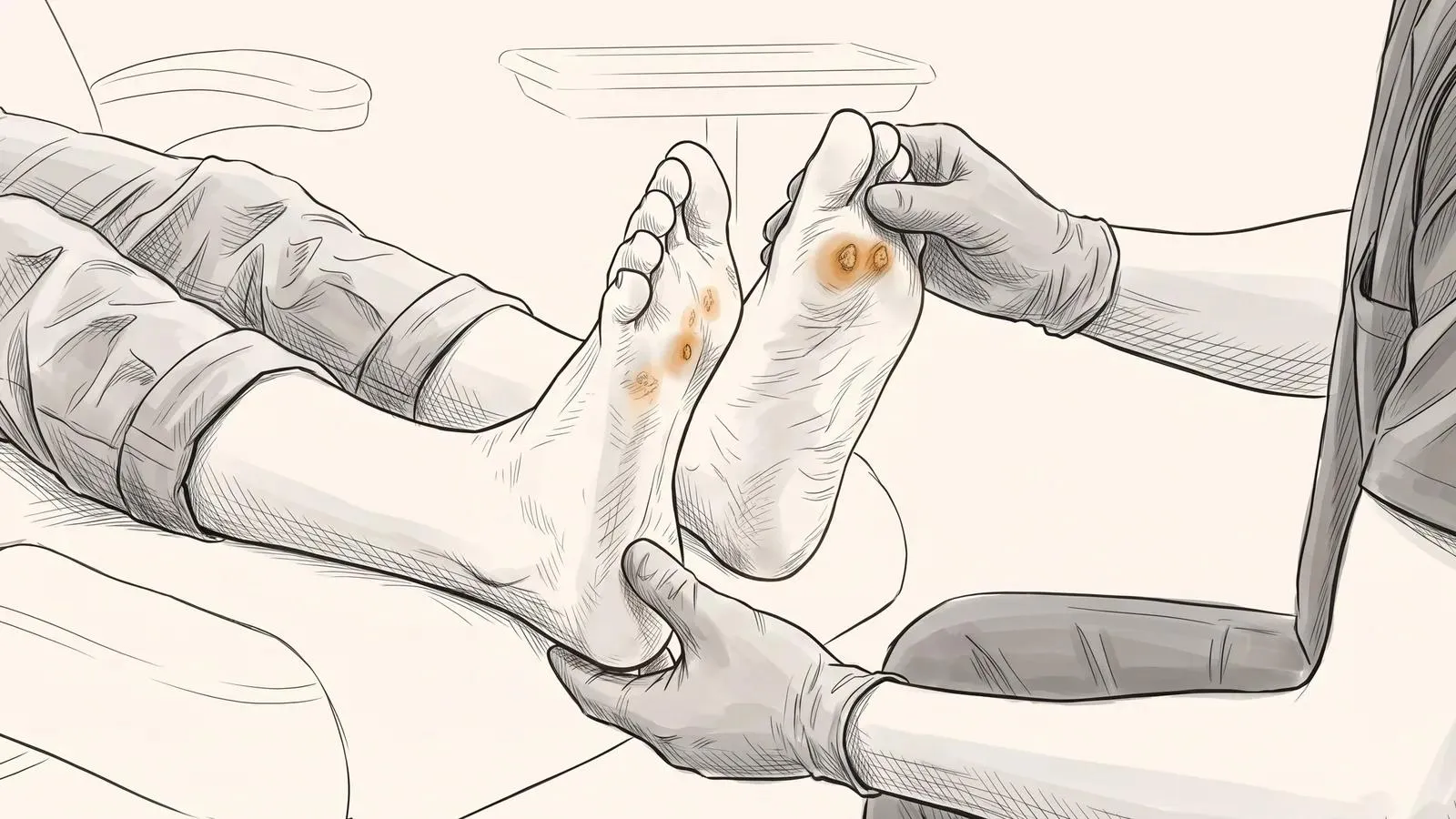
Does it feel as though there is a small pebble in your shoe, even when there is nothing there? A corn may be responsible. Or perhaps a patch of hard skin under your foot has gradually made walking uncomfortable.
Corns and calluses are common, but you do not have to wait until every step hurts before seeking help.
What Are Corns and Calluses?
Both develop as the skin responds to repeated pressure or friction. A callus is usually a broader patch of thickened skin. A corn is smaller and more concentrated, with a firm central core that can press into the sensitive tissue beneath it.
Corns can occur under the foot, over the toe joints, or between the toes. Those between the toes may look softer and whiter due to moisture.
Why Do They Keep Returning?
Removing the hard skin can improve comfort, but the same spot may thicken again if the pressure continues.
For example, a corn on top of a bent toe may return because the shoe still rubs against that joint. A callus under the ball of the foot may reflect how weight is being distributed when you stand and walk.
That is why we look at both the skin and what is loading it. Sometimes a change in footwear is enough; sometimes additional pressure relief or regular care is needed.
What Can You Do at Home?
- Choose shoes with enough width and depth for your toes.
- Moisturise regularly to help keep the skin supple.
- Avoid cutting or digging at the area yourself.
- Ask for advice before using acid-based corn plasters, which can also damage surrounding skin.
If you have diabetes, poor circulation or reduced feeling in your feet, have the area assessed before attempting removal or using medicated products.
How Can a Podiatrist Help?
At Masterton Foot Clinic, we first check that the lesion is a corn or callus. Warts and other skin problems can look similar.
Treatment may include careful reduction of thickened skin, removal of a corn's core, footwear advice, padding, toe supports or orthoses where appropriate. We will discuss whether ongoing care would help keep you comfortable.
Does It Hurt to Have a Corn Removed?
This is one of the most common questions patients ask. In most cases, removing a corn is painless, and patients hardly feel a thing.
The outer hard skin we remove does not itself contain nerves. The discomfort usually comes from the corn pressing into the sensitive tissue beneath it. We carefully remove that thickened skin while protecting the surrounding tissue. If the area is particularly sensitive, we adjust our approach to keep you comfortable.
For us as podiatrists, this is one of the most satisfying treatments to perform. It takes precision and skill, but relieving that concentrated pressure can make an immediate difference. Patients often find walking much more comfortable straight afterwards.
When Should You Seek Help?
Book an assessment if pain affects your walking, the area keeps returning, or you are unsure what it is. Bleeding, an open wound, discharge or redness needs prompt attention, particularly in a high-risk foot.
If corns or calluses are limiting your comfort, our team can help you understand the cause and discuss a practical plan. Book online or call Masterton Foot Clinic on 06 370 4057.