

Dry Skin On The Feet
Notice your feet getting drier over the cooler winter months? Or staying that way over summer too? You’re absolutely not alone.
The skin on our feet is a little different from skin elsewhere on the body. The soles contain a high concentration of sweat glands but no sebaceous (oil) glands, which means they rely on other mechanisms to maintain their protective skin barrier. Age, environment, footwear, medical conditions and the products we use on our feet can all influence how dry that skin becomes.
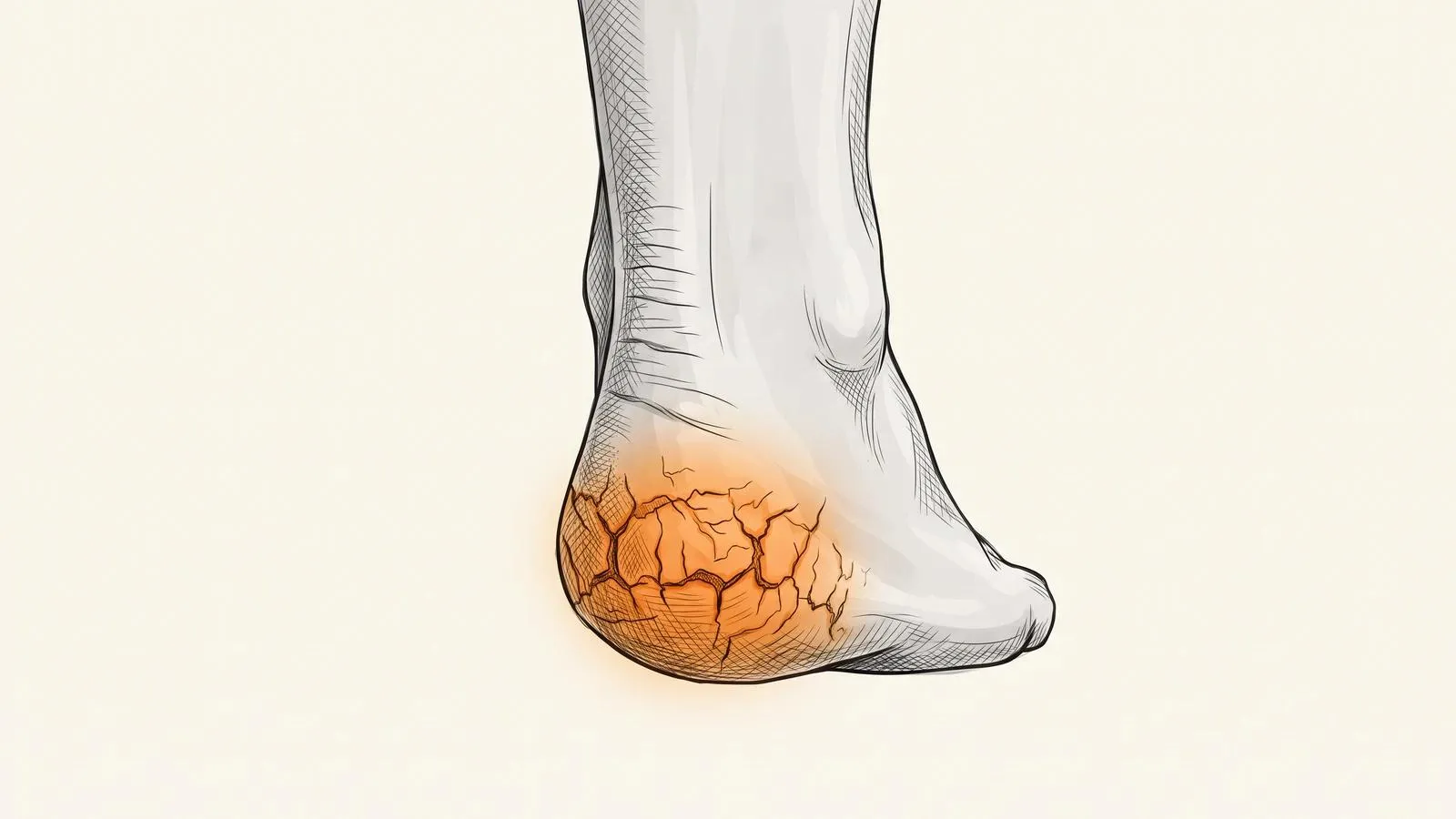
Dry skin isn't just a cosmetic issue. As the skin becomes increasingly dry, it can become rough and thickened and may eventually develop cracks or fissures, particularly around the heels. Deeper fissures can become painful, bleed and create an opening in the skin that increases the risk of infection.
This is particularly important for people with diabetes, reduced circulation, or reduced sensation, in whom cracks or wounds may heal more slowly or go unnoticed more quickly.
Dry Skin Symptoms
Wondering if it’s dry skin or something else? Typical signs of dry skin on the feet include white or flaky-looking skin, particularly around the soles and sides of the feet, a rough or scaly texture, and areas of thickened skin or callus. As the skin becomes increasingly dry, cracks or fissures may develop, particularly around the heels.
Dry skin can sometimes feel tight or itchy, although significant itching, redness or scaling may suggest that something else is going on.
Importantly, Athlete’s foot (tinea pedis) can sometimes look remarkably similar to ordinary dry skin, particularly the type that produces fine, powdery scaling across the sole and sides of the foot. Eczema, psoriasis and other skin conditions can also produce dryness and scaling.
If moisturising isn't improving what appears to be dry skin, particularly if it is itchy, red, spreading or mainly affecting one foot, it is worth having it assessed rather than simply applying more moisturiser. Treating a fungal infection as dry skin won't address the underlying problem.
Dry Skin Causes
Dry skin on the feet is very common and can have a number of contributing factors. These include:
- Hot baths and showers: prolonged exposure to very hot water can disrupt the skin barrier and remove some of the lipids that help retain moisture.
- Open-backed footwear: jandals, sandals and other open-backed shoes can contribute to heel dryness and fissuring, particularly when the heel is repeatedly exposed to friction and pressure.
- Cold temperatures and dry air: low humidity can increase water loss from the skin, which is why some people notice their feet becoming considerably drier during winter.
- Soaps and skin products: frequent use of harsh soaps, detergents or other products can disrupt the skin barrier and worsen dryness.
- Genetics and individual skin type: some people are simply more prone to dry or thickened skin than others.
- Ageing: skin changes with age and can become less effective at retaining moisture. This can make dry, fragile or cracked skin more common as we get older.
- Diabetes and nerve problems: diabetes can affect the nerves that control sweating in the feet. When these autonomic nerves are affected, sweating may decrease and the skin can become unusually dry. Reduced sensation can also mean cracks or wounds are less easily noticed.
- Skin conditions: eczema, psoriasis and fungal infections such as Athlete’s foot can all cause dry, scaly or cracked skin.
- Other medical conditions: some systemic conditions, including hypothyroidism, can contribute to dry skin.
- Medications: some medicines can contribute to skin dryness. If you've noticed a significant change after starting a medication, discuss it with your GP or pharmacist rather than stopping prescribed medication yourself.
Sometimes there isn't one single cause. For example, someone may naturally have relatively dry skin and then develop more significant heel fissures during winter due to low humidity, footwear, and increased callus around the heel.
Managing Dry Skin At The Feet
For many people with mild dry skin, one of the most effective things they can do is also one of the simplest: apply a moisturising cream regularly.
The real “trick” is consistency. Applying moisturiser every day, often easiest after showering or before bed, helps restore moisture and support the skin barrier.
For particularly dry or thickened skin on the feet, urea-based creams can be very useful. Urea helps the skin retain moisture and, at higher concentrations, also softens and reduces excessively thickened skin. The most appropriate product and concentration depend on how dry or thick the skin is and whether there are cracks or other skin problems.
Avoid applying heavy moisturising creams between the toes, where excessive moisture can encourage skin breakdown and fungal infection.
Other ways to help include avoiding excessively hot or prolonged showers and baths, using gentle skin cleansers rather than harsh soaps, wearing footwear that protects the heels where appropriate, and keeping the feet protected from very cold or dry conditions.
If hard callus has developed around a dry or cracked heel, simply applying more cream may not be enough. At Masterton Foot Clinic, we can carefully reduce excessive callus and thickened skin, treat painful corns and assess heel fissures. This can provide a much better “starting base” for ongoing skin care and moisturising at home.
We’ll also look at why your skin has become dry in the first place. If the appearance suggests Athlete’s foot, eczema, psoriasis or another skin condition rather than simple dry skin, treatment needs to address that underlying cause.
If you have deep or painful cracks, bleeding, redness, warmth, discharge or signs of infection, these should be assessed. This is particularly important if you have diabetes, reduced circulation, reduced sensation or another condition that may affect healing.
Our podiatrists can assess your skin, safely manage thickened or cracked areas and recommend a skin-care routine suited to your feet. If we think the dryness may be associated with a medical or dermatological condition that requires further investigation, we can also advise you on the appropriate next step.