
Gout: Keeping Your Feet Healthy When You Have Gout
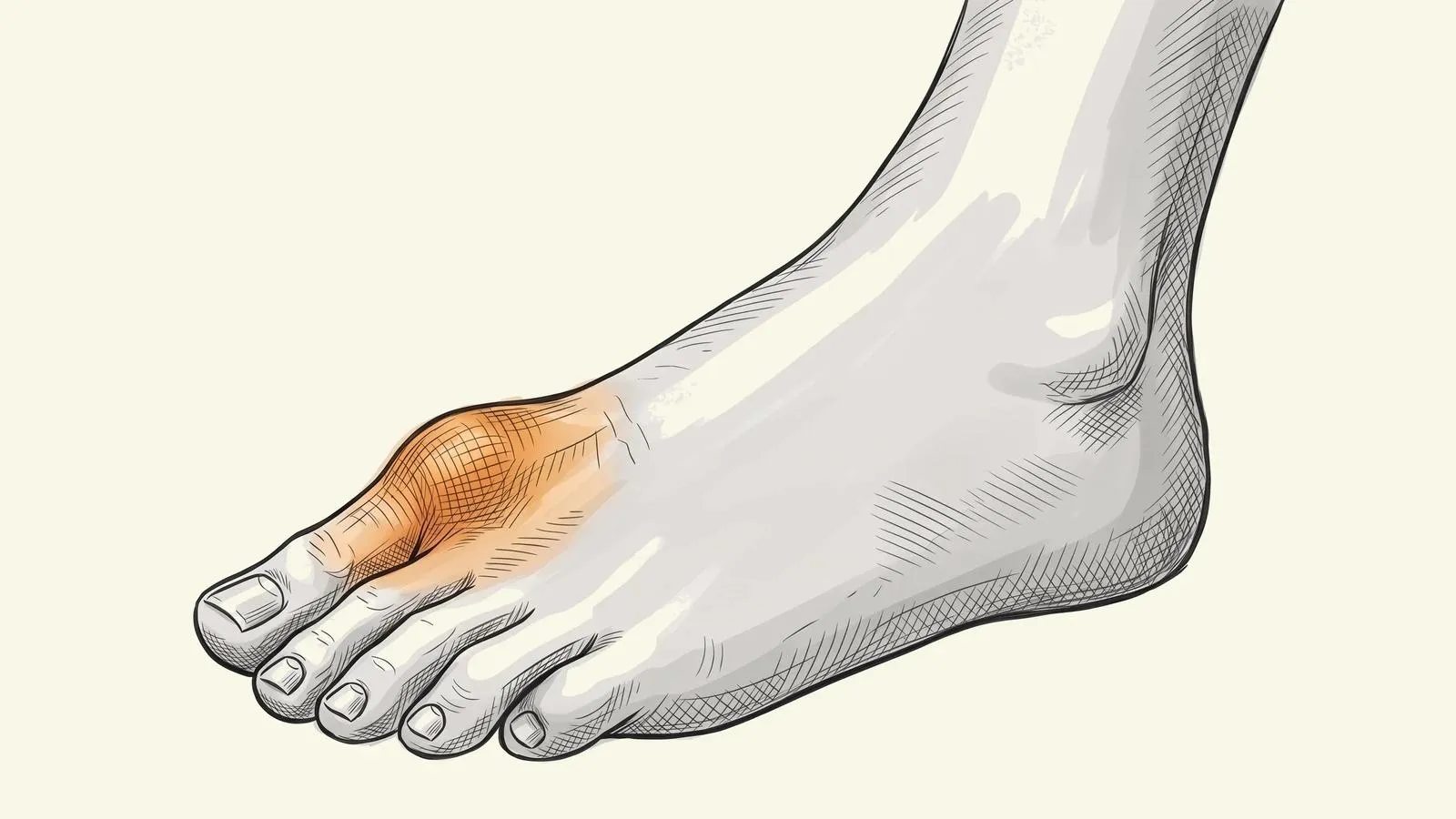
Gout is a painful form of inflammatory arthritis that can cause sudden, intense pain, swelling and redness in the joints. While gout can affect many joints in the body, the joint at the base of the big toe is one of its most common targets.
The good news is that gout is very treatable. Effective management isn't just about getting through individual attacks, controlling the underlying urate level can prevent future flares and reduce the risk of ongoing joint damage.
Here’s what you should know about gout and keeping your feet healthy and comfortable.
Understanding Gout
Gout is characterised by attacks of sudden and often severe joint pain, swelling, warmth and tenderness. It occurs when monosodium urate crystals form in and around a joint, triggering a powerful inflammatory response.
The joint at the base of the big toe is particularly commonly affected, known as podagra, but gout can also affect the ankle, midfoot, knees, wrists, fingers and other joints. Urate crystals can also deposit in soft tissues, including tendons. The Achilles tendon is one recognised site, where gout can sometimes contribute to pain, thickening or nodules and may resemble more typical Achilles tendinopathy.
Gout develops in people with elevated urate levels in the blood, known as hyperuricaemia. Urate is produced when the body breaks down purines, which occur naturally in our bodies and are also present in some foods.
Importantly, having a high urate level doesn't necessarily mean that you will develop gout. Many people have hyperuricaemia without ever developing symptoms. Gout occurs when urate crystals form and accumulate in and around the joints.
Urate levels are influenced by a combination of factors. Genetics and how effectively the kidneys remove urate play major roles, alongside certain medications, kidney function, body weight, alcohol intake, diet and other health conditions. This means gout should not simply be viewed as a condition caused by eating the wrong foods.
Gout attacks often come on quickly, sometimes overnight. The affected joint may become extremely painful, swollen, hot and red, and even light pressure from a bedsheet can feel unbearable.
An untreated flare may last for days or sometimes longer. Between attacks the joint may feel completely normal, but the underlying urate problem can still be present.
Over time, poorly controlled gout can lead to more frequent attacks and joint damage. Some people develop tophi, firm deposits of urate crystals that can form around joints, toes and other parts of the body.
Tips for Keeping Feet Healthy and Comfortable with Gout
At Masterton Foot Clinic, we can help assess foot pain associated with gout, particularly when pain or stiffness remains after the acute attack has settled. A common example is a stiff big toe joint following gout. Because this joint plays an important role when we push off during walking, reduced movement can alter the mechanics of the foot and sometimes the wider lower limb. Footwear changes, exercises, offloading or foot orthoses may help improve comfort and function. These treatments don't treat the underlying gout, that's managed medically, but they can help with its mechanical consequences.
Our tips for looking after your feet when you're living with gout include:
- Manage your urate level: Work with your GP or prescribing healthcare provider to monitor your urate and determine whether urate-lowering medication, such as allopurinol, is appropriate.
- Treat gout flares appropriately: Treatments may include an anti-inflammatory medicine, colchicine or corticosteroid. Your healthcare provider can advise which is appropriate and safe for you.
- Use cold for comfort: A wrapped cold pack applied for short periods may help with pain during an acute flare.
- Rest during an acute flare: Temporarily reducing pressure through a severely painful joint can help until the flare settles.
- Stay well hydrated: Maintain normal good hydration, but there's no need to drink excessive amounts of water to try to “flush out” uric acid.
- Maintain a healthy weight: Gradual, sustainable weight loss where appropriate may help reduce gout risk. Avoid crash dieting or fasting.
- Consider diet and alcohol: Alcohol, some high-purine foods and sugar-sweetened drinks can contribute to gout in susceptible people, but dietary changes are only one part of gout management.
Footwear for Gout
Appropriate footwear can make a significant difference, both during an acute attack and when gout has left a joint stiff or uncomfortable.
- Prioritise comfort and space: Choose shoes with sufficient width and depth so they don't press against painful joints.
- Look for adjustable footwear: Laces or straps can help accommodate swelling during a flare.
- Consider the sole: A supportive, cushioned shoe may improve comfort. A stiffer or rocker-style sole can sometimes reduce painful movement through a stiff big toe joint.
- Avoid tight footwear: Narrow or pointed shoes can aggravate painful joints, while higher heels increase pressure through the forefoot.
- Consider foot orthotics where appropriate: Orthotics don't treat gout itself, but they can help redistribute pressure when gout-related joint stiffness has altered the way your foot functions.
Gout and your feet: FAQs
Can gout affect other joints in the foot besides the big toe?
Yes. Gout can also affect the ankle, midfoot and smaller toe joints, as well as joints elsewhere in the body.
Can certain foods trigger gout flares?
Yes. Alcohol, organ meats, some red meats and seafood, and sugar-sweetened drinks may increase gout risk in susceptible people. However, gout isn't simply caused by diet. Genetics, kidney function, medications and other health factors are also important.
Can over-the-counter pain medications help during gout flares?
Anti-inflammatory medicines such as NSAIDs can help during an acute gout flare in people for whom they are safe. They're not suitable for everyone, particularly some people with kidney, stomach or cardiovascular problems or those taking certain medications. Other treatments include colchicine and corticosteroids, so seek advice about the most appropriate option for you.
Are there any lifestyle changes that can help prevent gout flares?
Yes. Maintaining a healthy weight, exercising regularly, staying well hydrated, moderating alcohol and following a balanced diet can all help.
For people with recurrent gout, however, lifestyle measures may not be enough. Long-term treatment often focuses on lowering serum urate sufficiently to prevent further crystal formation and allow existing deposits to gradually dissolve.
Regular review with your GP or prescribing healthcare provider is important. With appropriate urate control, gout attacks can become much less frequent and, for many people, stop altogether.