
How To Cure Plantar Fasciitis
Plantar fasciitis heel pain is one of the most common conditions seen and treated by our podiatrists. It is characterised by that first-step pain at the bottom of the heel in the mornings, which often eases after a short period of walking around.
Plantar fasciitis heel pain occurs when the plantar fascia, a thick band of tissue that fans out from the heel to the toes, becomes irritated and less able to tolerate the loads being placed through it. Often, this follows a change or increase in activity, such as going too hard, too fast with exercise or having an unexpectedly long day on your feet. Footwear, foot and ankle function, and other individual factors can also contribute. To read more about the causes of plantar fasciitis, see here.
How To Treat Plantar Fasciitis At Home
In order to treat plantar fasciitis heel pain, it’s important to reduce the loads that are aggravating the plantar fascia while gradually building its ability to tolerate the demands of everyday activity. It is also important to identify factors that may be contributing to the problem. Things you can do at home to help relieve your symptoms include:
Temporarily reducing or modifying activities that significantly aggravate your heel pain. This doesn’t necessarily mean stopping exercise altogether, the aim is to reduce excessive load while keeping you moving where possible.
- Applying ice to the affected heel and foot through a towel or other cloth may provide short-term relief from heel pain, particularly after a busy day on your feet.
- Gently stretching the plantar fascia before taking your first steps in the morning can help reduce first-step pain. This can be done by gently pulling the toes, particularly the big toe, back towards you until you feel a stretch through the arch of the foot.
- Wearing supportive shoes with good arch support and cushioning can help alleviate symptoms. We prefer good running shoes from brands like Asics and New Balance among several others. Your local Shoe Clinic or similar specialist footwear store can help you find a comfortable, well-cushioned shoe that suits your feet, activities and symptoms.
- If walking barefoot or wearing very flat, unsupportive footwear such as jandals aggravates your symptoms, temporarily reducing the time you spend in them may help settle your heel pain.
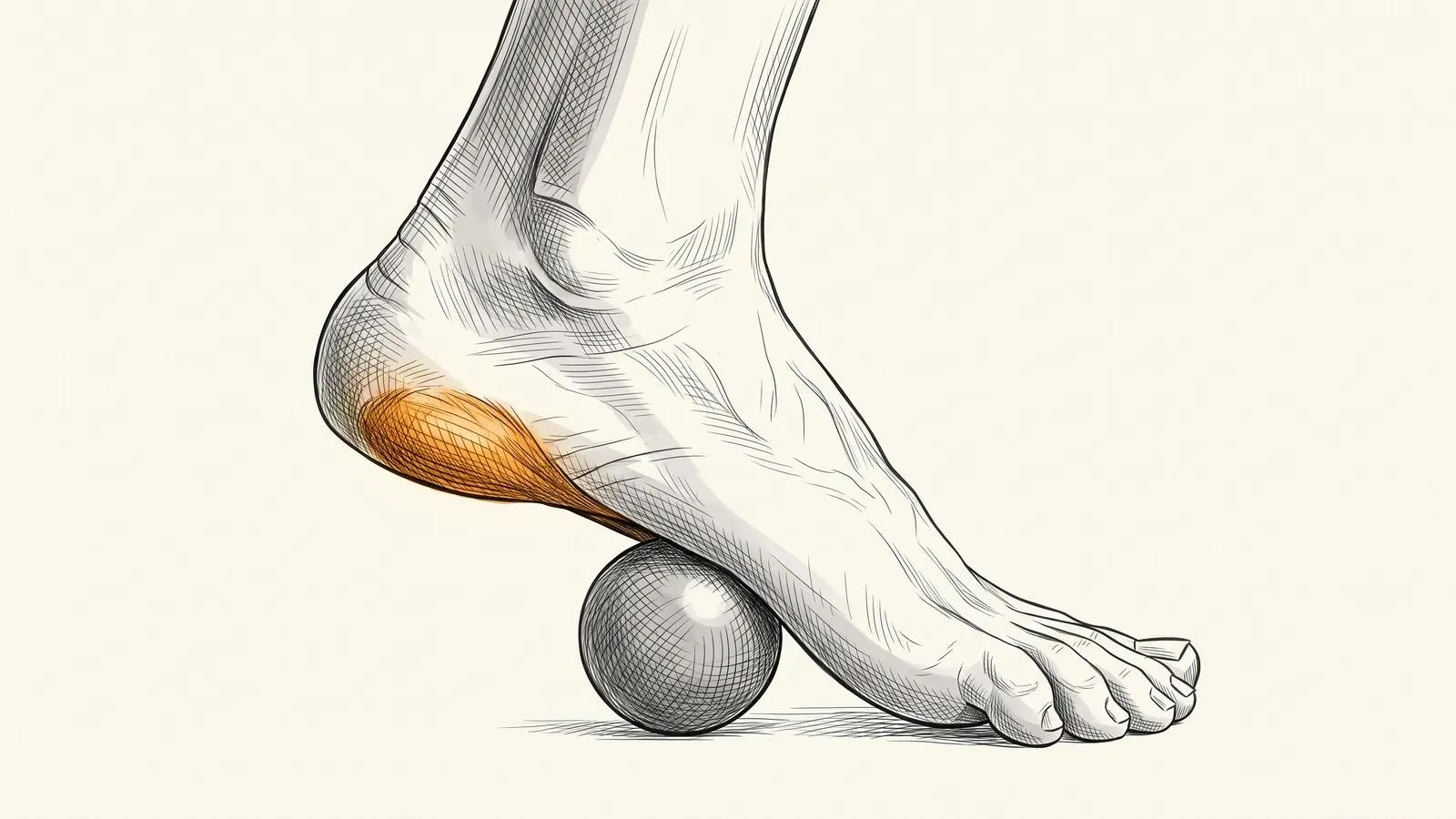
- Massaging the heel and arch with a tennis ball or foam roller can help relieve pain and tension. Many people also find it comfortable to roll their heel or arch over a cool water bottle for both the stretch and the relief it can provide.
- Simple pain-relief or anti-inflammatory medication, such as ibuprofen, may provide short-term symptom relief for some people. Check with your pharmacist or GP first, as these medicines are not suitable for everyone.
These strategies can be very useful for reducing symptoms, particularly in the early stages. For many people, however, longer-term improvement also means understanding why the plantar fascia has become overloaded and gradually building its ability to tolerate the demands placed on it. If your heel pain is persisting, worsening, or preventing you from doing the things you normally do, having it assessed can help identify the contributing factors and establish an appropriate treatment and rehabilitation plan.
How To Treat Plantar Fasciitis Heel Pain For Long-Term Improvement
Treating plantar fasciitis involves identifying factors that may be contributing to the problem and understanding the loads your plantar fascia can tolerate. A comprehensive assessment can examine your foot and ankle function, strength, footwear, activity levels, and any recent changes in exercise or daily activities. This assessment and your treatment plan should also be considerate of your daily activities, lifestyle, and goals, especially for many of our patients, who are active and striving towards specific sporting goals.
Reducing the risk of your heel pain returning is also an important part of treatment. This means not only settling your current symptoms, but helping your plantar fascia and surrounding tissues build the capacity to manage your usual work, walking, exercise and sporting activities. The following measures may be used by our team to help you:
- Foot orthotics: For some people, foot orthotics can help reduce heel pain by changing how load is distributed through the foot and plantar fascia. Think of them as helping to share the load, rather than one area doing too much of the work, we're trying to spread those forces more comfortably across the foot.
- Shockwave treatment: For persistent plantar heel pain that isn’t improving sufficiently with initial treatment, shockwave therapy may help reduce pain and improve function. It uses acoustic pressure waves applied to the painful area and is usually combined with a broader rehabilitation programme.
- Foot mobilisation: Where restricted joint movement is considered relevant, hands-on mobilisation may be used alongside other treatments to help improve movement and reduce symptoms.
- Footwear review: Your regular footwear, both sports shoes and regular shoes or work shoes, will be checked and discussed to make sure they are helping your recovery and not hindering you.
- Strapping: Strapping can be used as a temporary measure to reduce pain by keeping your foot in a position that relieves strain and pressure on the plantar fascia.
- Stretching: Plantar fascia-specific and calf stretching can help reduce pain and improve flexibility. Your podiatrist can show you which stretches are most appropriate and how much stretching your symptoms can comfortably tolerate.
- Strengthening: Progressive strengthening and loading exercises help build the capacity of the plantar fascia and surrounding muscles to withstand the demands of walking, work, exercise, and sport. Your programme will be tailored to your current ability, symptoms and goals and progressed as your foot becomes stronger.
- Exercise review: we’ll make sure the exercise you’re currently doing won’t prolong your recovery or worsen your plantar fasciitis. We may temporarily modify the type, intensity or amount of exercise you are doing while keeping you as active as possible. As symptoms improve and your plantar fascia becomes better able to tolerate load, we can then progressively build you back towards your normal activities.