
Verruca Treatment
Verruca Treatments
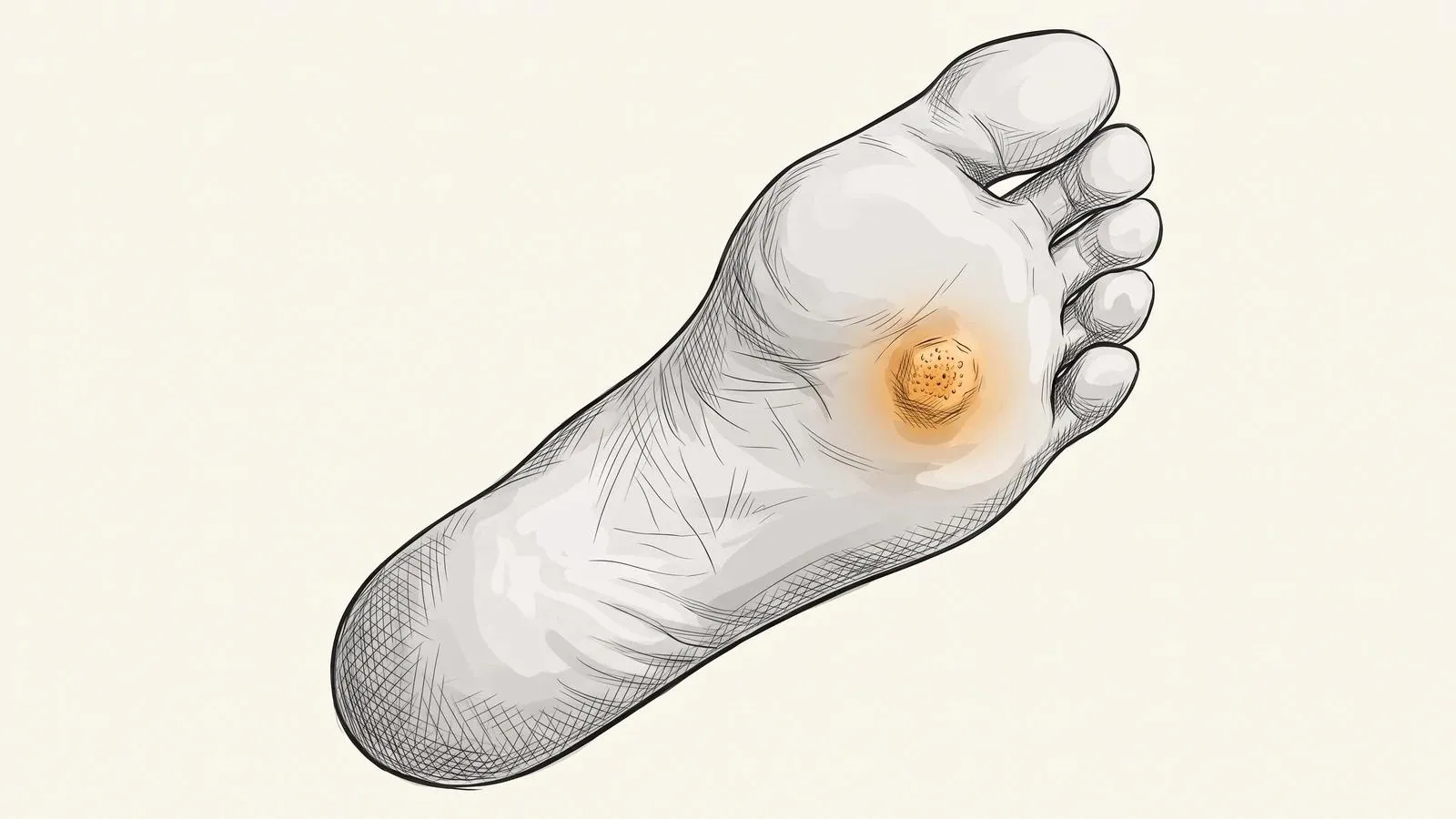
Verrucae (singular: verruca), also known as plantar warts, are warts that develop on the soles of the feet. They are caused by certain types of the human papillomavirus (HPV), which infects cells in the outer layer of the skin. Verrucae are common and can affect people of all ages, though they are particularly prevalent in children and teenagers and can be more persistent in those with suppressed immune systems.
At Masterton Foot Clinic, we offer a range of verruca treatments tailored to the individual, the severity and persistence of the verruca, and any treatments already tried.
How to Tell a Verruca from a Corn or Callus
Verrucae are often confused with corns and calluses, as they can all appear as areas of hard, rough skin and may be painful when walking. However, there are some useful differences that can help with identification:
- Skin striations (natural skin lines): If you look closely, verrucae interrupt the skin’s natural striations (fingerprint-like patterns), causing them to go around the lesion. Corns and calluses, however, usually allow the skin lines to continue through them.
- Pain response: Verrucae may be more painful when squeezed from side to side, whereas corns are often more painful when pressed directly downward. This can be a useful clue, although it isn’t a definitive test on its own.
- Location. Corns are less commonly found on non-weight-bearing/ pressure areas. Verruca can appear in either.
A correct diagnosis is important for effective treatment, so if you’re unsure, a podiatrist can help determine what the lesion is and the best course of action.
Verruca Treatments at Masterton Foot Clinic
Depending on the size, location, depth and duration of the verruca, different treatment options may be recommended. Some verrucae resolve on their own as the immune system clears the virus, while others can persist for months or even years.
Salicylic acid or other chemical treatments
How it works
Salicylic acid works by gradually breaking down the thickened, virus-infected layers of skin that make up the verruca. Treatment is repeated regularly as the affected skin is gradually removed and the wart resolves.
Effectiveness
- Over-the-counter salicylic acid treatments are available from pharmacies. In the clinic, your podiatrist may carefully reduce the overlying hard skin and use an appropriate strength and application method for the individual verruca.
- This is a cost-effective and relatively painless treatment option but requires consistency and multiple applications over several weeks or months.
Verruca needling
How it works
Needling is performed under local anaesthetic. Once the area is numb, a fine needle is repeatedly inserted into the verruca to disrupt the wart tissue and introduce virus-infected cells into the deeper layers of the skin. The aim is to stimulate the body's immune system to recognise and respond to the HPV infection.
One interesting feature of needling is that when someone has multiple verrucae, we may need to treat only one lesion. Because the treatment is designed to stimulate an immune response to the virus rather than simply destroy the individual wart, untreated verrucae may sometimes resolve as well.
Effectiveness
- Needling can be particularly useful for persistent verrucae or where previous treatments have been unsuccessful.
- It is usually performed as a single procedure under local anaesthetic, although further treatment may occasionally be required.
- Published studies have reported encouraging clearance rates, but no treatment for plantar warts works reliably for everyone.
- The area may be tender for a short period afterwards, but most people are able to walk following the procedure.
Surgical treatment: Blunt Dissection
For some persistent or painful plantar warts, surgical removal using blunt dissection may be considered, particularly when other treatments have been unsuccessful or when a patient is looking for an alternative to repeated treatment sessions.
This involves using local anaesthetic to numb the area before the verruca is carefully separated from the surrounding tissue and removed using a blunt dissection technique.
One advantage of blunt dissection is that the verruca is removed in a single procedure rather than requiring repeated applications over several weeks or months. Most patients are able to walk afterwards, although the area is likely to be tender while it heals.
As with any minor surgical procedure, there are risks, including pain, bleeding, infection, delayed healing and scarring. Your podiatrist will discuss these with you before treatment and assess whether blunt dissection is appropriate for you. Healing commonly takes several weeks.
Other Verruca Treatment Considerations
In addition to direct treatment methods, we always consider:
- Immune system and general health: The immune system plays an important role in clearing HPV, which is one reason verrucae may behave differently from person to person. People who are immunosuppressed can develop more persistent or difficult-to-treat warts. Your overall health, circulation, sensation and healing ability are also important considerations when choosing a treatment.
- Footwear and hygiene: HPV can spread through direct contact and potentially through contaminated surfaces, particularly in communal environments such as swimming pools, showers and changing rooms. Wearing jandals or flip-flops in these areas and avoiding direct contact with affected skin may help reduce the risk of spreading the virus.
Which Foot Wart Treatment is Right for You?
The best treatment option depends on the size, location, number and duration of your verruca, what treatments have already been tried, and personal factors such as pain tolerance, medical history and healing ability. You can learn more about how we manage foot warts here.
At Masterton Foot Clinic, our team of podiatrists can assess your verruca and recommend the most appropriate treatment plan for you. If you’d like to discuss your options or book an appointment, give us a call or book online today.