
Why Do Feet Swell?
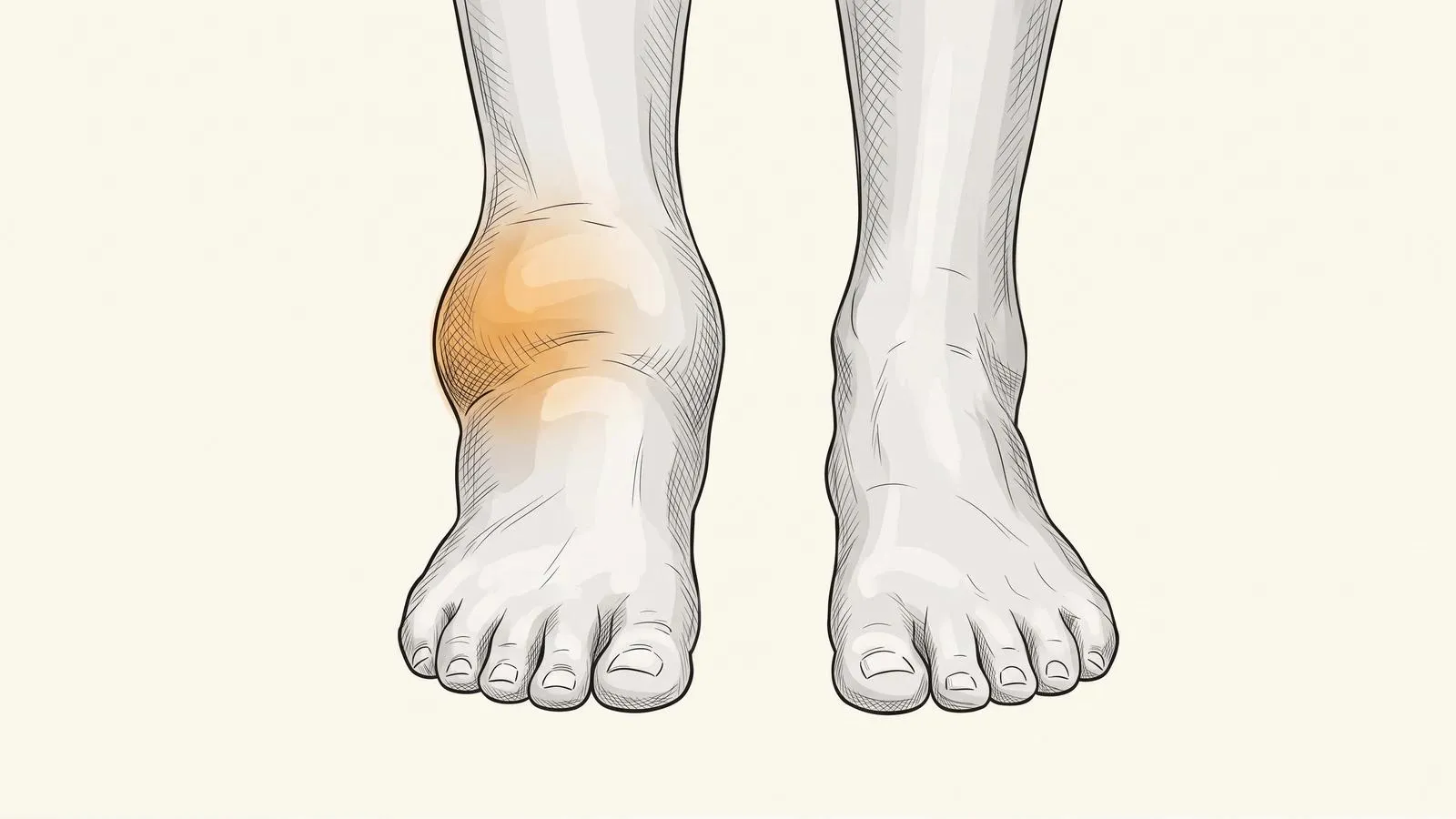
Whether your feet have just swollen for the first time or it's become a common occurrence recently, and you’re wondering what’s going on and whether it could be something serious: you’ve come to the right place.
There are many reasons why your feet and legs may swell. Some are relatively harmless and temporary, while others can be a sign of an underlying medical problem. Here, our podiatrists share seven common causes of swelling in the feet and legs, why they occur, and some things that may help.
Pregnancy
Swelling of the feet and ankles is very common during pregnancy. Your body's blood and fluid volume increases significantly during pregnancy, while the growing uterus can also place pressure on the veins that return blood from your legs towards your heart. Together, these changes can contribute to fluid accumulation around the feet and ankles, particularly later in pregnancy or after prolonged standing.
If you’re currently pregnant, we’ve shared our pregnancy foot pain FAQs here.
Problems with your veins
Often referred to as venous insufficiency, problems with the veins can make it more difficult for blood to return from the legs towards the heart.
The veins in your legs contain small one-way valves that help prevent blood from flowing backwards. If these valves become damaged or don't function properly, blood can pool in the lower legs, increasing pressure in the veins and allowing fluid to collect in the surrounding tissues.
Other signs can include varicose or spider veins, aching or heavy legs, skin changes around the lower legs, and swelling that worsens as the day progresses.
Heat
Notice that your feet tend to swell in the heat? Heat causes the blood vessels near the skin to widen as your body works to regulate its temperature. This can increase the movement of fluid from the small blood vessels into the surrounding tissues.
Because your feet and ankles are at the lowest point of your body when you're standing or sitting, gravity can make this fluid more noticeable around your lower legs and ankles.
Injury or infection
This isn't your regular day-to-day swelling, but it's an important one to mention. When you've sustained an injury, whether to a tendon, muscle, ligament, joint, or bone, swelling can form as part of the body's normal response to tissue injury.
Swelling can also occur with infection. An infected area may additionally be red, warm, increasingly painful or associated with a wound or discharge. If infection is suspected, particularly if redness is spreading or you feel unwell or feverish, it should be assessed promptly.
Salt retention
Salt, specifically sodium, plays an important role in regulating the body's fluid balance. Consuming a very high-salt diet can cause the body to retain more water, which may contribute to swelling in some people.
However, persistent swelling shouldn't automatically be blamed on eating too much salt. The kidneys, heart, liver, veins, lymphatic system, and some medications can all affect how your body manages fluid.
Sitting or standing for long periods (including during flying)
Movement and physical activity help promote circulation. The muscles in your lower legs act a little like a second pump: each time they contract, they help squeeze the veins and move blood back up the legs towards the heart.
When we sit or stand still for long periods, this muscle pump is less active. When combined with gravity, this can cause blood and fluid to accumulate in the feet and lower legs. This is why mild swelling can occur after a long day standing, a long car journey or a flight.
Medical conditions and medications
A number of medical conditions can cause swelling in the feet and legs. These include heart, kidney and liver disease, lymphatic problems, venous disease and some inflammatory conditions.
Some medications can also contribute to swelling, including certain blood pressure medicines, hormones, steroids and some antidepressants.
If you develop new or persistent swelling, particularly in both legs, do not assume it is simply a foot problem. Your GP may need to investigate whether there is an underlying medical cause.
If you think a medication may be contributing, discuss it with your GP or pharmacist rather than stopping a prescribed medication yourself.
Treating and preventing swollen feet and ankles
The best way to manage swelling depends on why it is happening in the first place.
For swelling related to poor venous return, graduated compression socks and stockings can be very effective. They apply controlled pressure to the lower leg, with the greatest pressure around the ankle, helping support the return of blood and fluid back up the leg and reducing fluid accumulation around the feet and ankles.
At Masterton Foot Clinic, we offer a compression-wear fitting service and stock below-the-knee graduated compression garments with compression levels of 20 to 30 mmHg. These provide a higher level of graduated compression than the general flight or travel socks commonly purchased from pharmacies or online and, importantly, need to be correctly measured and fitted.
Getting the right fit matters. A compression garment that is too loose may not provide the intended compression, while one that is too tight or poorly fitted can be uncomfortable and may not be appropriate for your circulation.
Compression isn't suitable for everyone. Before recommending stronger compression, we consider the reason for your swelling, your medical history and the circulation to your feet and legs. If your swelling is new or unexplained, affects only one leg, or there are concerns about your arterial circulation, further medical assessment may be required before compression is used.
Other ways to help with swelling include
- Elevating your feet: raising your legs, ideally above the level of your heart when practical, can use gravity to help fluid move away from the feet and lower legs.
- Exercise and movement: regular walking and ankle movement activate the calf muscle pump, helping move blood back up the legs. If you're sitting for long periods, getting up regularly and moving around can help.
- Avoiding excessive heat: if heat makes your swelling worse, limiting prolonged exposure to very hot baths, showers, saunas or hot environments may help.
- Staying hydrated: maintaining normal hydration is important for overall health. You generally don't need to restrict fluids because your ankles are swollen unless a health professional has specifically advised you to do so.
- Watching your salt intake: reducing excessive dietary salt may help some people who are prone to fluid retention.
- Seeing your podiatrist or GP: if you're worried about swelling, pain, injury or changes in your feet or legs, having the cause assessed is more important than simply treating the swelling itself.
When swelling needs urgent attention
Most mild swelling in both feet and ankles isn't an emergency. However, new swelling in one leg, particularly when accompanied by calf pain, warmth, redness, or tenderness, requires prompt medical assessment because a blood clot (deep vein thrombosis, or DVT) is one possible cause.
Seek urgent medical attention if swelling is accompanied by shortness of breath, chest pain, coughing up blood, fainting or feeling suddenly very unwell.
During pregnancy, sudden or rapidly increasing swelling, particularly involving the face or hands or accompanied by headache, visual changes or feeling unwell, should also be discussed promptly with your midwife, doctor or maternity team.
Worried about your feet or legs?
If you're worried about your feet or legs, whether that's from swelling or something else, our podiatry team at Masterton Foot Clinic are here to help. We've been proudly caring for Wairarapa's foot health for many years.
Book your appointment online or call us to schedule one.