

Why do our toenails thicken as we age?
Today I’m answering the questions
- Why do our toenails thicken as we age?
- What can you do to help minimise the thickening of your toenails?
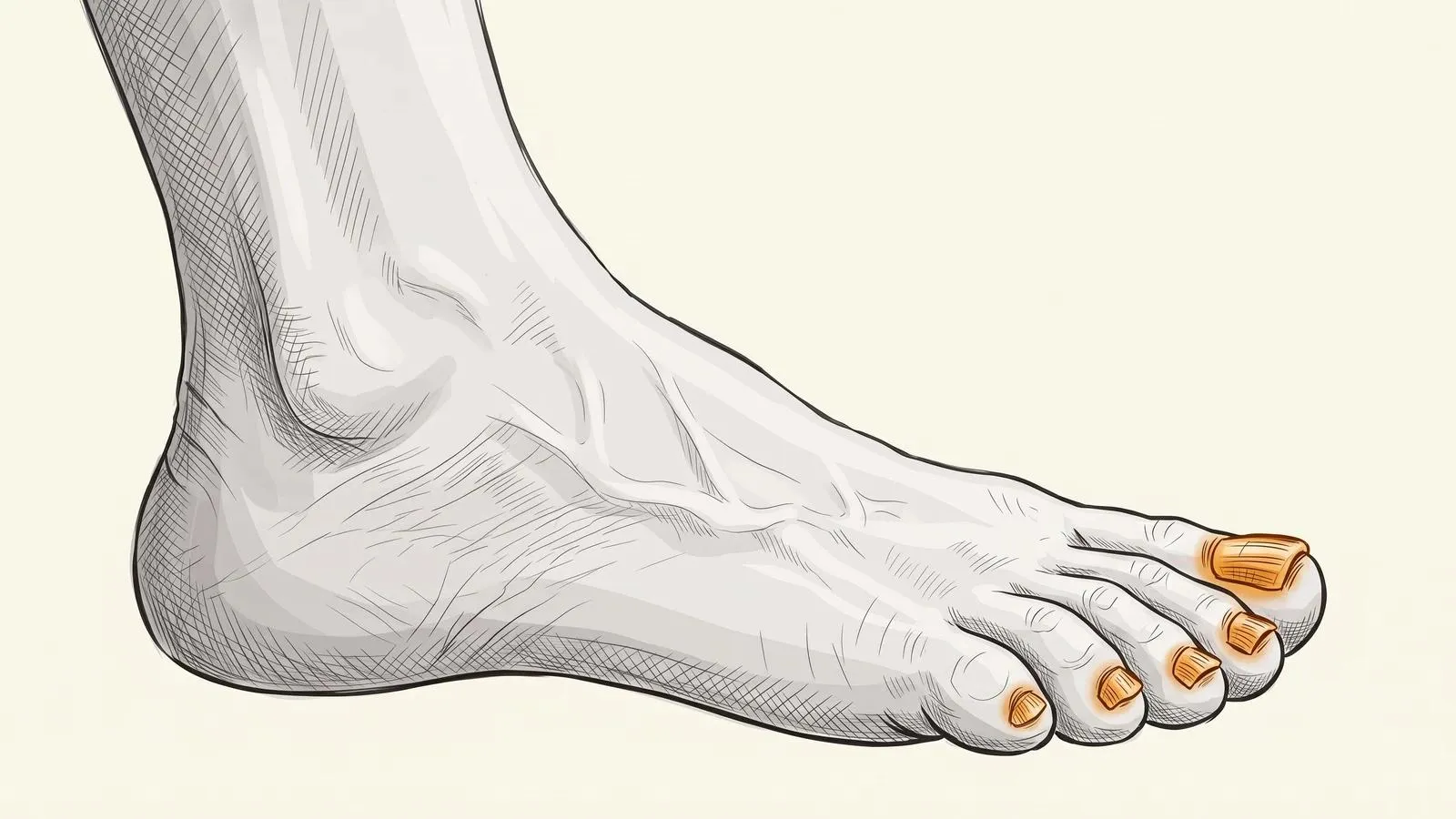
Thick, brittle and discoloured toenails become increasingly common as we age. While some of these changes are simply associated with ageing, a thick nail isn't always just an “old person's nail”, there may be another cause that can be treated.
Nails are mainly made from keratin, a tough protein produced by cells in the nail matrix beneath the skin at the base of the nail.
As we age, cell turnover in the nail matrix slows, and our toenails grow more slowly. The nail plate also undergoes changes in its structure, composition and flexibility. Together with many years of repeated pressure and minor trauma from footwear and everyday activity, these age-related changes can contribute to toenails becoming thicker, harder and more brittle.
In other words, our toenails age just like the rest of us, they grow more slowly and don't renew themselves as efficiently as they once did.
The medical term for an abnormally thickened nail is onychauxis.
Although age is the main cause of thickened toenails, there are other reasons why it occurs
- Repeated trauma or pressure on the nail over time, including footwear pressure, sport, stubbing the toe or previous injury
- Fungal nail infection (onychomycosis)
- Skin conditions that affect the nails, particularly psoriasis
- Changes to the nail following previous surgery or damage to the nail matrix
- Some medical conditions that affect the health of the feet and nails
- Reduced circulation to the feet can affect nail growth and health, although poor circulation isn't the cause of every thickened nail
Importantly, not every thick, yellow or brittle nail is fungal. Age-related nail changes and repeated trauma can look very similar to fungal infection, so getting the right diagnosis is important before starting antifungal treatment.
FACT: Studies have shown that males are more likely than women to suffer from thickened nails.
Some studies of nail disorders have found that thickened and fungal toenails are more common in men, but age, footwear, repeated trauma, medical conditions, and fungal infection are more useful factors to consider than sex alone.
What can you do to help minimise the thickening of your toenails?
While we can’t avoid the ageing process, there are things we can do to keep thickened nails comfortable and manageable.
- Regularly trimming and gently filing thickened toenails can help keep their length and thickness under control. Filing can also smooth rough or uneven areas that catch on socks or press against footwear.
- Make sure your shoes have adequate length, width and depth around the toes. Repeated pressure against a nail can contribute to thickening and nail damage over time.
- If you can't comfortably or safely cut your nails, a podiatrist or appropriately trained foot-care professional can help.
- In the clinic, thick nails can be carefully reduced using a podiatry burr, which safely thins the nail and can provide considerable relief when a thick nail is creating pressure inside footwear.
- If a fungal infection is suspected, it is worth establishing whether fungus is actually responsible before starting treatment. Fungal nails can be treated, but healthy nail growth is slow, so improvement takes time.
Why is it important to look after our feet as we age?
Healthy, comfortable feet play an important role in helping us stay active, mobile and independent as we get older.
Thick or difficult-to-cut toenails may seem like a small problem, but they can create pressure inside footwear, become painful, catch on socks or surrounding toes, and make routine foot care increasingly difficult.
This becomes particularly important if you have diabetes, reduced circulation, reduced sensation, poor eyesight or difficulty reaching your feet, where attempting to cut very thick nails yourself may cause an accidental injury.
Regular foot care isn't about making feet look perfect. It's about keeping the nails and skin comfortable, identifying problems early and helping you remain confidently on your feet.
Adam Philps is a podiatrist at Masterton Foot Clinic with more than 25 years of clinical experience, working alongside our team of podiatrists and foot-care professionals. To book an appointment with Adam or another member of our team, click here.